


Written by Peter Hunter
Modernizing the LBM operation through people, process, customer experience and performance
There was a time when a good lumber and building-material operation could be measured largely by who sat behind the counter and what was out in the yard: the right inventory, knowledgeable people, competitive pricing and a fleet of trucks to get it where it needed to go.
Those things still matter, but are they enough in the current retail environment?
Today’s customer experiences our business long before a lift of lumber is loaded onto a truck. They may begin with a Google search, visit our website, request a quote, walk through our showroom, talk with a salesperson, check an invoice through a contractor portal, or many other omnichannel methods.
To that customer, these aren’t separate departments, systems, or channels.
They are one company, one brand.
Modernizing an LBM operation is therefore about much more than installing new software or redesigning a showroom. It is about connecting people, processes, technology, and the physical environment around one objective: making it easier for customers to do business with us.
One way to approach that challenge is through four familiar Balanced Scorecard lenses: People, Process, Customer and Financial Performance.
People: Technology Should Make People Better
The lumber and building-material industry has always been a relationship business. A contractor remembers the salesperson who solved a problem at 7:00 in the morning. A homeowner remembers the associate who patiently explained a product they had never purchased before.
Modernization should strengthen those opportunities, not eliminate them.
Ask what your best people spend their day doing. Are they advising customers and developing relationships—or searching for paperwork, re-entering information, chasing approvals and performing administrative tasks technology could handle?
Every unnecessary administrative step consumes capacity that could have been spent with a customer.
Give people clarity, appropriate authority, useful information and effective tools, and they become problem solvers rather than simply task performers.
Technology doesn’t replace good people. Properly deployed, it gives good people more time to do what they do best.
Process: Don’t Automate the Mess
Before digitizing a process, understand it.
One modernization mistake is taking an inefficient manual process and simply making it digital. Map the journey first. Where is information entered twice? Where does work get bottlenecked? What requires unnecessary approval? Where are customers forced to call because they cannot access information themselves?
Then simplify.
CRM can manage opportunities and follow-up. Contractor portals can provide invoices, statements, and job-level information. E-commerce can extend the store beyond physical aisles and regular business hours. Automated workflows can move information between departments instead of relying on someone’s inbox or memory.
Sometimes the best technology isn’t the one that we own.
Vendor partnerships represent an enormous and often underused source of capability. Suppliers can provide estimating, technical expertise, training, digital assets, project support, and visualization tools—effectively becoming an extension of the dealer’s operation.
The question changes from “What can I buy from this vendor?” to “What can we build together for our customers?”
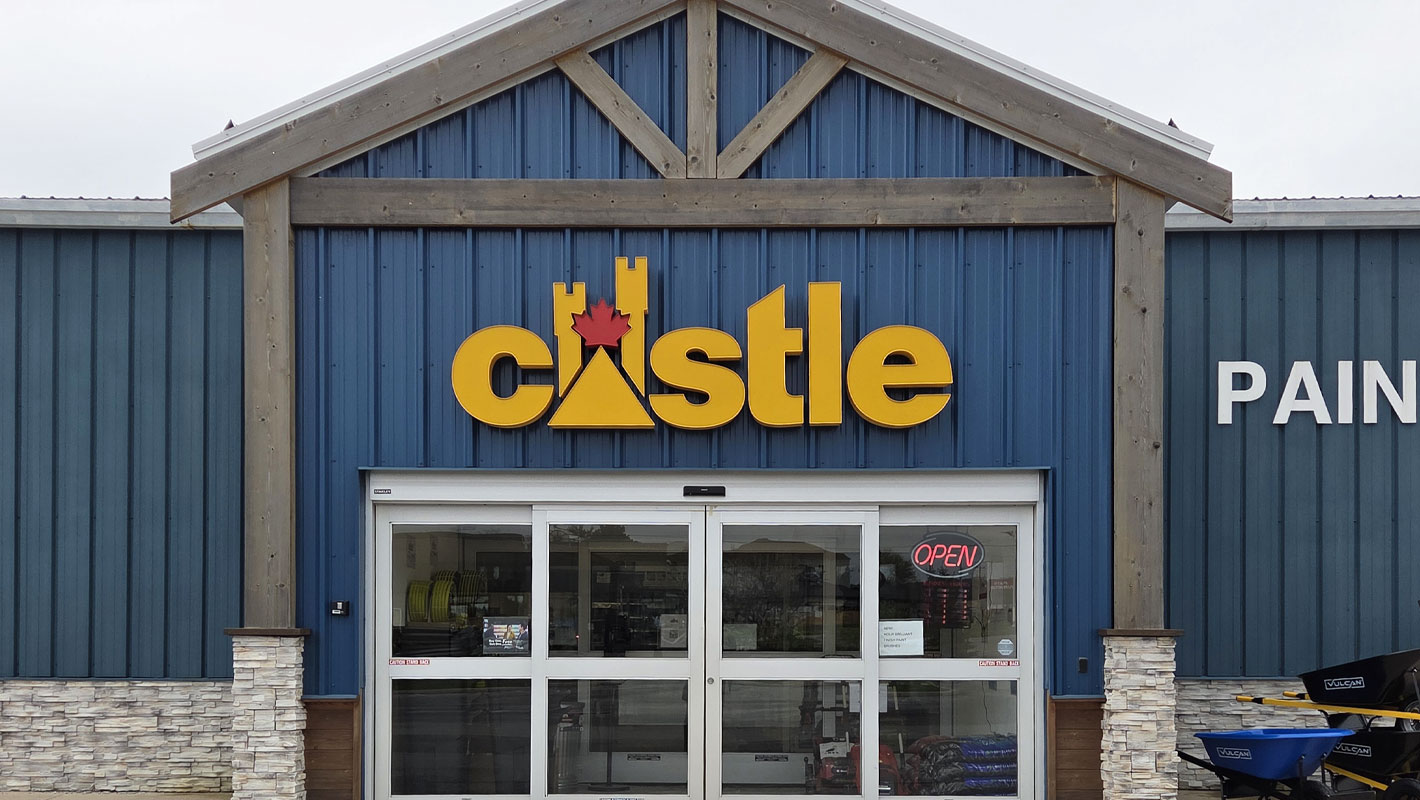
Customer: Walk Through Your Own Front Door
Modernization also happens in the physical space.
Walk into your business as though you’ve never been there before.
Can you immediately understand where to go? Does the signage make sense? Are related products merchandised together? Do Sale and Clearance items scream the value proposition? Can a homeowner comfortably navigate the store while a professional contractor gets in and out quickly?
Now continue that journey digitally.
Can customers find you online? Understand what you sell? Request a quote easily? Can contractors access invoices and statements without calling the store?
The customer does not care that marketing, sales, operations, accounting, e-commerce, and the yard operate differently.
They simply experience your “Brand.”
The Daily Grind: Where Strategy Becomes Real
None of these work without consistency.
Retail and building supply are businesses of repetition. Trucks arrive. Phones ring. Customers need answers. Inventory moves. Problems arise. Tomorrow, we will get up and do it all again.
There is something valuable in that daily grind.
“Great operations are not built by occasionally doing extraordinary things. They are built by doing important ordinary things extraordinarily well—day after day.”
The best layout eventually deteriorates if nobody maintains it. The best CRM becomes useless if customer information is not entered. A great lead-generation campaign fails if nobody follows up. Vendor relationships weaken when we only call when we need something.
Modernization therefore requires more than innovation. It requires discipline.
Show up. Execute the process. Measure it. Learn from it. Improve it. Then show up tomorrow and do it again.
Financial: Measure What Matters
Modernization cannot simply become a collection of interesting projects. It must produce results.
Did the new layout improve conversion rates? Did self-service reduce administrative workload? Did CRM improve follow-up and retention? Did better inventory visibility increase turns or reduce stock-outs? Did a vendor partnership generate incremental sales? Did automation return productive hours to the business?
This is where the Balanced Scorecard comes full circle.
Better processes create capacity. Better-equipped people create better customer experiences. Better experiences build loyalty and an increased share of customers’ wallets. And ultimately those improvements should appear in sales, margin, productivity, inventory performance, and profitability.
The lumber pile still matters. As do knowledgeable people, strong supplier relationships, dependable delivery, and the handshake across the counter.
Modernization is not about abandoning those things.
It is about building an operation around them that is easier to navigate, easier to work in, easier to measure and, above all, easier for the customer to do business with.
Because the modern building-supply business is much more than a lumber pile.
The opportunity is to build systems around it as well — and then show up tomorrow and keep building.
About The Author
Peter Hunter is a General Management Consultant with more than 40 years of operational retail experience, currently working with Adams Building Supply. His work focuses on enterprise efficiency, organizational change management, leadership development, process improvement, and the practical application of technology to improve both customer and employee experiences.
Throughout his career, Peter has worked with organizations and leaders to simplify operations, develop people, improve execution, and build sustainable systems for growth. His approach combines hands-on operational experience with a belief that successful transformation happens when people, process, technology, and customer experience work together toward a common purpose in an environment of continuous improvement.